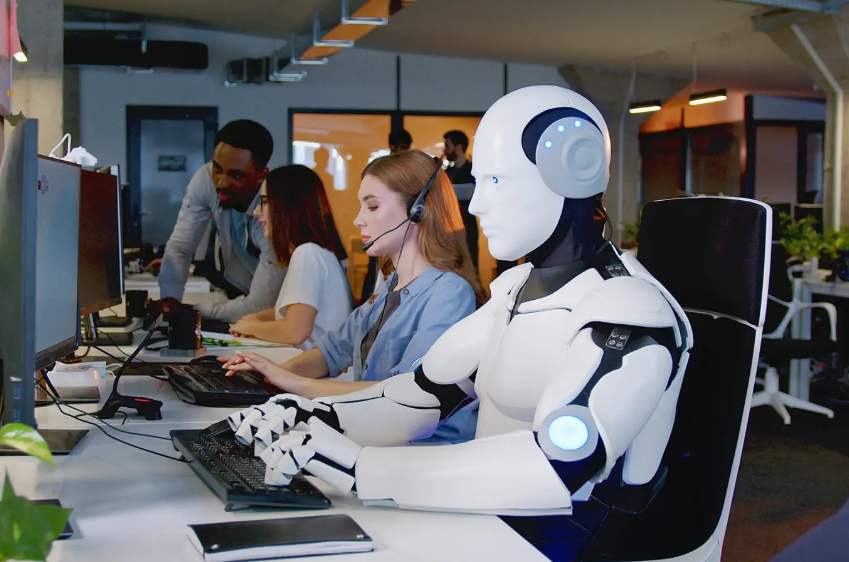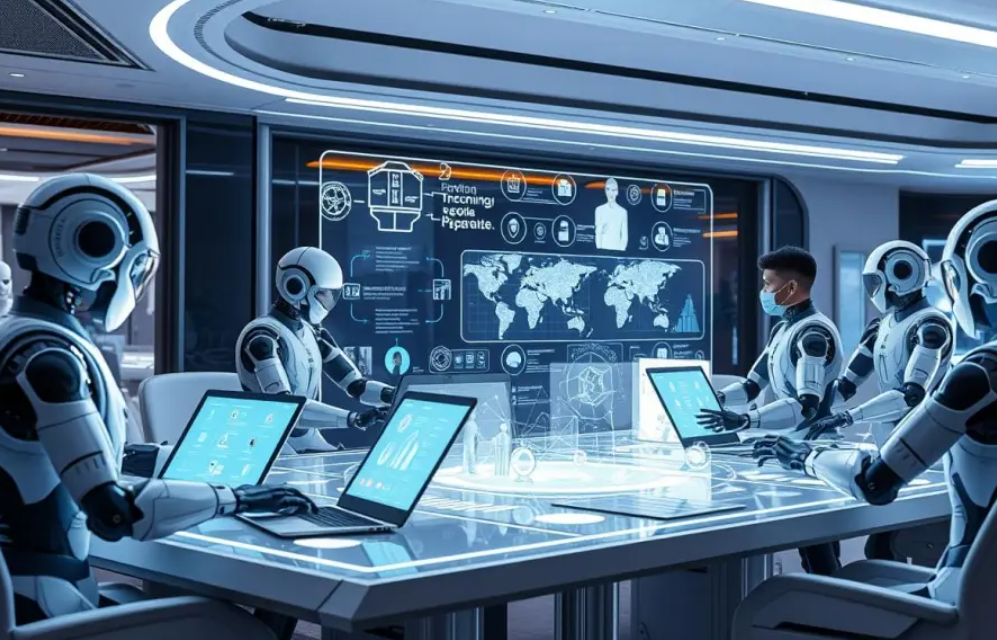

The integration of AI in collaboration technology is transforming how teams communicate and innovate. By utilizing AI-powered tools, organizations can enhance interactions and streamline workflows. Automation of routine tasks frees up valuable time for strategic initiatives. Moreover, AI’s ability to analyze data enables more informed decision-making. As these technologies evolve, their impact on collaborative environments raises important questions about the future of teamwork and creativity. What implications will this have for organizations moving forward?
Enhancing Communication With Ai-Powered Tools
As organizations increasingly adopt AI-powered tools, the potential for enhanced communication becomes evident.
These technologies leverage natural language processing and sentiment analysis to facilitate more meaningful interactions. By interpreting emotions and intent within conversations, AI empowers teams to communicate effectively, fostering collaboration.
This evolution not only streamlines exchanges but also nurtures a culture of openness, allowing individuals to express themselves freely.
See also: The Future of Workplace Technology
Automating Administrative Tasks for Improved Efficiency
The adoption of AI in communication not only enhances interpersonal interactions but also extends to automating administrative tasks, significantly boosting organizational efficiency.
Leveraging AI for Data-Driven Decision Making
While organizations increasingly recognize the importance of data in shaping strategies, leveraging AI for data-driven decision-making has emerged as a transformative approach.
By utilizing predictive analytics, businesses can forecast trends and outcomes, empowering leaders to make informed choices.
Additionally, AI delivers personalized insights tailored to individual needs, enhancing collaboration and ultimately fostering an environment where data-driven strategies thrive, promoting organizational freedom and agility.
Fostering Innovation Through AI-Driven Collaboration Platforms
Innovation thrives in environments where collaboration is seamless and dynamic, and AI-driven collaboration platforms are at the forefront of this transformation.
These platforms enhance collaborative creativity by facilitating intelligent brainstorming sessions, allowing diverse teams to generate ideas more effectively.
Conclusion
In the ever-evolving landscape of collaboration technology, AI emerges as a guiding star, illuminating pathways to enhanced communication and creativity. By automating mundane tasks, it liberates teams to navigate the seas of strategic initiatives with greater agility. Through data-driven insights, organizations harness the winds of innovation, steering toward informed decision-making. Ultimately, AI not only enriches the collaborative experience but also cultivates a vibrant ecosystem where creativity flourishes and efficiency reigns supreme, transforming the workplace into a thriving nexus of ideas.