
A roof can wear down for many reasons, but drainage problems are often part of the story long before homeowners realize it. Gutters are supposed to move water off the roof and away from the house in a controlled way. When that system stops working, moisture begins to linger where it should not. That extra exposure can slowly weaken roofing materials, compromise the roof edge, and create conditions that increase the likelihood of deterioration. Homeowners researching roof repair brigham city services often focus on shingles first, but gutters deserve just as much attention because they help protect the entire roof system.
Gutter-related roof problems are easy to brush off at first because the warning signs often seem small. Water spilling over the side during a storm, debris stuck in a downspout, or a gutter starting to pull away from the fascia may not seem like a major issue. The problem is that even small drainage issues can change where water goes. When runoff starts backing up or collecting near the roof edge, that area can stay wet far more often than it should.
Why Gutters Matter to Roof Health
Gutters help protect more than the sides of a house. They also help protect the roof edge by directing rainwater and melting snow away from it. When gutters are clogged or not draining properly, water can collect near the eaves or seep back under the first row of shingles.
That can wear the roof down faster than many homeowners expect. The roof edge is already exposed to constant rain, wind, temperature changes, and seasonal debris. If water keeps hanging up in that area, the materials do not get a chance to dry out properly. Over time, shingle edges can weaken, wood along the roofline can begin to soften, and the risk of leaks increases.
Overflow Can Damage More Than the Gutter Line
One of the most common gutter problems is simple overflow. When water spills over the front or sides of a clogged gutter, it does not just fall harmlessly to the ground. Some of it can run back against the house or soak the trim and fascia beneath the roofline. If that keeps happening, the wood near the edge may begin to absorb moisture.
As that area stays damp, roofing materials above it can also be affected. The lower edge of the roof depends on solid support. If wood begins to weaken, shingles and fasteners in that section may not perform the way they should. What started as a drainage issue can turn into a roofing repair because the support along the edge is no longer staying dry and stable.
Backed Up Water Can Reach Beneath Shingles
Clogs create another problem by slowing water flow through the gutter channel. During a steady storm, backed-up water can rise high enough to sit against the roof edge for extended periods. Instead of draining away, it remains pressed against materials that are supposed to shed water quickly.
That kind of exposure increases the risk of water slipping beneath shingles or along the underlayment near the eaves. Once moisture gets below the surface, the damage is no longer limited to what is visible from outside. Roof decking can begin to absorb water, and nearby insulation or attic materials may also be affected if the problem continues. By the time an indoor stain appears, the roof may have been dealing with excess moisture for quite a while.
Sagging or Loose Gutters Can Create Trouble Fast
A gutter does not need to be fully clogged to contribute to roof deterioration. Sometimes the issue is poor attachment. When gutters sag, pull away, or tilt incorrectly, water no longer flows toward the downspouts as it should. Instead, it collects in low spots, adding extra weight to the system.
That standing water can stress the fasteners holding the gutter in place, but it can also keep moisture concentrated near the roof edge. The longer water sits there, the greater the chance of wear on surrounding materials. Loose gutters may also allow water to run behind them, putting fascia boards and the edges of the roof in a much more vulnerable position.
Debris Buildup Can Hold Moisture Against the Roof
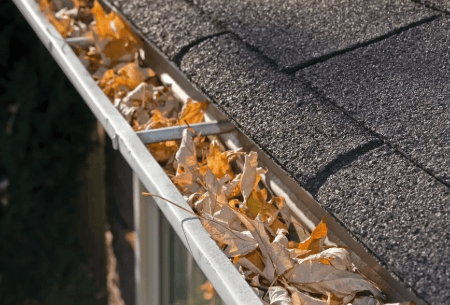
Debris tends to build up in gutters a little at a time. Leaves, small twigs, seed pods, and shingle granules can settle in the channel, blocking the flow of water. When that buildup gets thick, the gutter stops draining properly. Instead of moving water away from the roof, it keeps moisture sitting in place.
That lingering moisture can be tough on the roof edge. Even after the rest of the roof dries out, the area near the clogged gutter may remain wet much longer. Over time, that repeated dampness can wear down materials along the roofline. The damage is not always obvious right away, but the edge of the roof can begin to break down sooner than other sections.
Cold Weather Can Make Gutter Problems Worse
Freezing temperatures can turn a gutter problem into a bigger roofing issue. When gutters are clogged or draining slowly, melted snow does not move off the roof as easily. Water can collect near the edge and freeze again as temperatures drop.
That cycle can lead to ice buildup along the roofline. As ice forms and expands, it puts more stress on the roof’s edge, increasing the risk of water entering small gaps or seams. What starts as poor drainage can become a moisture problem that is much harder to ignore.
When a home already has drainage issues, winter conditions can speed up the damage. Instead of dealing with a simple cleaning issue, the homeowner may end up needing wood replacement, shingle repair, or more involved roof work. That is one reason roof repair brigham city searches often lead homeowners to discover that the original problem was not only the roof surface, but also the drainage system attached to it.
Conclusion
Some gutter and roof warning signs are fairly easy to spot. Overflow during rain, gutters that look bent or loose, stains near the edge of the roof, peeling paint, or damp areas around the eaves can all point to a drainage problem. Gutter debris can also tell part of the story. When shingle granules start collecting there, it may be a sign that the roof surface is wearing down.
Roof damage does not always come from a single major storm or a sudden failure. A lot of problems build slowly as water keeps reaching places it shouldn’t. When gutters stay clogged or out of line, the roof edge can take that extra moisture over and over again. Keeping gutters clean and positioned correctly can help prevent that kind of wear. Catching the issue early often makes it easier to deal with before it becomes a more extensive repair.