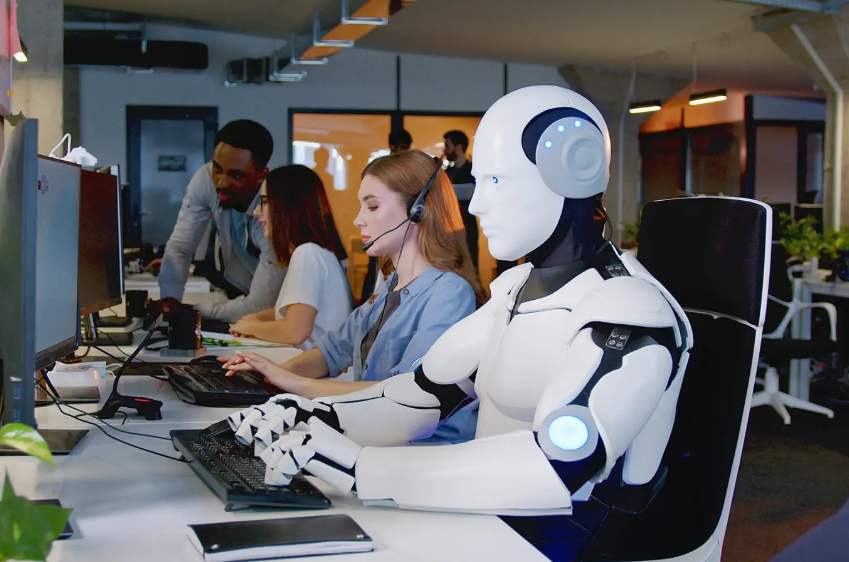

The future of workplace technology is set to transform organizational dynamics significantly. As automation and AI become integral, their influence on employee productivity and decision-making will be profound. Collaborative tools will evolve to support remote and hybrid teams, blurring traditional boundaries. Meanwhile, a focus on employee well-being will emerge, addressing mental health concerns. Understanding these shifts will be crucial as companies navigate this new landscape, raising questions about adaptability and long-term impact.
Embracing Automation and AI in the Workplace
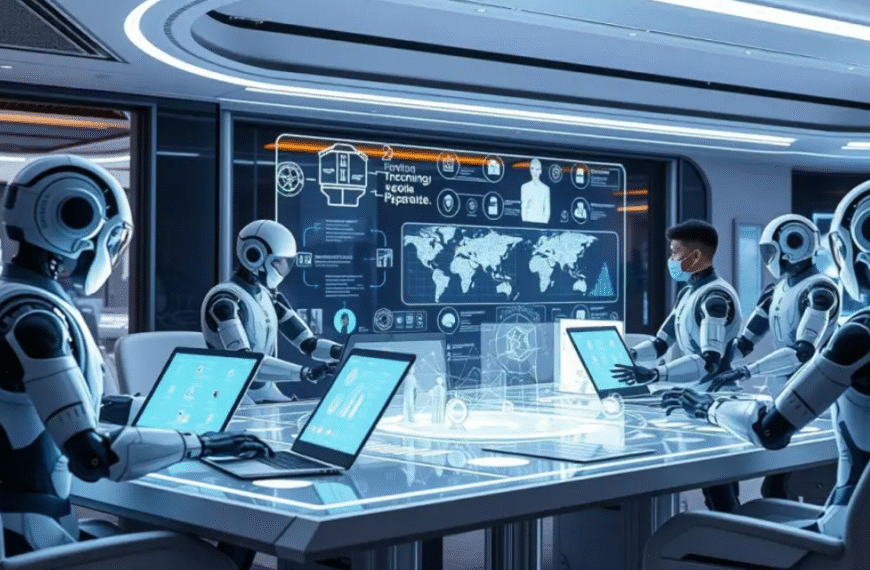
As organizations increasingly recognize the potential of technology to enhance productivity, embracing automation and artificial intelligence (AI) in the workplace has become a strategic imperative.
Automated workflows streamline operations, reducing human error and freeing employees to focus on creative tasks.
Effective AI integration empowers decision-making, providing insights that drive innovation.
This transformative approach cultivates an environment where individuals can thrive, fostering both autonomy and efficiency.
See also: The Future of Sports Technology
The Rise of Collaborative Tools for Remote Teams
While remote work has become a standard practice for many organizations, the emergence of collaborative tools has significantly transformed how teams interact and function across distances.
These platforms facilitate virtual brainstorming sessions and enhance project management efficiency, enabling members to share ideas and track progress seamlessly.
As teams embrace these technologies, they foster a sense of connection and creativity, redefining the remote work experience.
Adapting to Hybrid Work Environments
Although many organizations have adopted hybrid work environments, effectively navigating this model requires a nuanced understanding of its complexities.
Implementing flexible scheduling can empower employees, fostering autonomy while maintaining productivity.
Additionally, incorporating virtual onboarding processes ensures seamless integration for new hires, regardless of their location.
Enhancing Employee Well-Being Through Technology
Technology plays a pivotal role in enhancing employee well-being, particularly as organizations adapt to evolving work environments.
Wellness apps have emerged as essential tools for promoting mental health, offering resources for stress management, mindfulness, and productivity.
Conclusion
As organizations navigate the evolving landscape of workplace technology, the integration of AI and automation will be paramount to staying ahead of the curve. By fostering collaboration among remote teams and prioritizing employee well-being, businesses can create a resilient work culture that adapts to shifting demands. In this fast-paced environment, those who embrace these changes will not only weather the storm but also flourish, proving that in the world of work, adaptability is indeed the name of the game.